This case study shares the story of how Red Lodge Parish Council responded to the arrival of the Sunnica Energy Farm Nationally Significant Infrastructure Project (NSIP), and the community consultation in 2019. The focus was on collaboration, problem-solving, sharing resources and raising awareness.
NSIPs on the doorstep
In 2020, Red Lodge Parish Council first became aware of the proposed Sunnica Energy Farm when consultation materials arrived through residents' letterboxes. For Proper Officer and Responsible Finance Officer, Shazia Shujah, it was a "rude awakening" and highlighted how little awareness there was locally about both the project and the Nationally Significant Infrastructure Project (NSIP) process.
The information provided by the developer was professionally presented but highly technical. Many residents found it difficult to understand, while others did not recognise the significance of the proposal or simply threw it away. At the same time, councillors and residents had little experience of NSIPs and were unprepared for the pace and complexity of the process.
This made early engagement challenging throughout, particularly during the pre-application stage, when local influence can be greatest.
Within the council itself, differing views on renewable energy initially made it harder to agree a collective position and respond quickly.

At one stage, all three projects proposed large-scale converter stations to the east of Saxmundham, involving substantial industrial infrastructure, including buildings of up to around 26 metres in height within sites covering several hectares, connecting to the substation at Kiln Lane near Friston.
Nautilus was subsequently progressed at an alternative location at the Isle of Grain.
SeaLink is currently at the examination stage, while Lion Link remains in pre-application. The overlapping timelines of these projects raised immediate concerns in relation to cumulative impacts, particularly when considered alongside the ongoing construction of Sizewell C.
Building community awareness
Recognising the importance of quick action, the council organised public meetings involving residents, neighbouring communities and the developer. These meetings highlighted the scale of local concern and helped councillors better understand the potential impacts on residents, businesses and landowners.
A key challenge was translating complex technical information into something relevant and accessible. The council and local volunteers focused on plain-language communications, using leaflets, social media, posters, village hall meetings and local media coverage to explain the proposals and encourage participation.
The council also provided practical support to residents who were less confident using the internet, helping more people could engage with the process.
Creating a strong local alliance
As the project progressed, cooperation between local councils and community groups increased significantly. Informal networks developed into a Town and Parish Alliance, enabling councils to share information, coordinate responses and strengthen their collective voice.
Much of this work relied on volunteers, including councillors, residents and local experts who gave significant amounts of time to understanding proposals and raising awareness. Farmers, businesses, schools and recreational groups became increasingly engaged as they gained a clearer understanding of how the development could affect their interests and daily lives. Local MPs were also involved, which helped secure media coverage and raise awareness.
Reaching all communities
One of the key lessons from the project was the importance of inclusive engagement. A local Traveller community living close to parts of the proposed battery and solar panel sites – and are particularly impacted – had not been contacted by the developer. Initially hesitant to participate because of wider trust issues and concerns about engaging with formal processes, they became involved as relationships with the alliance developed.
However, due to their exclusion from the consultations, they only engaged after the statutory consultation window had closed, missing an important opportunity to shape the final design of the development. This demonstrates the importance of identifying and involving all communities at the earliest possible stage.
Challenges throughout the process
The council and local communities faced several challenges throughout the NSIP process. These included limited resources, a lack of specialist technical expertise, and the significant time commitment required from volunteers. Concerns were also raised about environmental impacts, battery storage safety, and the quality of some of the evidence supporting the application.
While external support from local authorities, technical experts and affected organisations helped strengthen community understanding, maintaining engagement over a lengthy and complex process remained demanding.
What other councils can learn
Although development consent was eventually granted in 2024, Red Lodge Parish Council believes that early engagement, partnership working and community participation helped ensure local concerns received greater scrutiny throughout the process.
Shazia's advice to other councils is clear: learn about the NSIP process as early as possible, act quickly when proposals emerge, budget for communications and community engagement, and build relationships across the community before they are needed. Strong partnerships, accessible information and inclusive engagement can help councils and communities participate more effectively in nationally significant infrastructure projects.
For practical guidance on how Town and Parish Councils and communities can engage effectively with NSIPs at each stage of the process, download the guide, ‘Getting to Grips with NSIPs’.
If you have any questions about engagement regarding an NSIP, contact us through the Members Portal or email engagement@suffolk-alc.gov.uk.
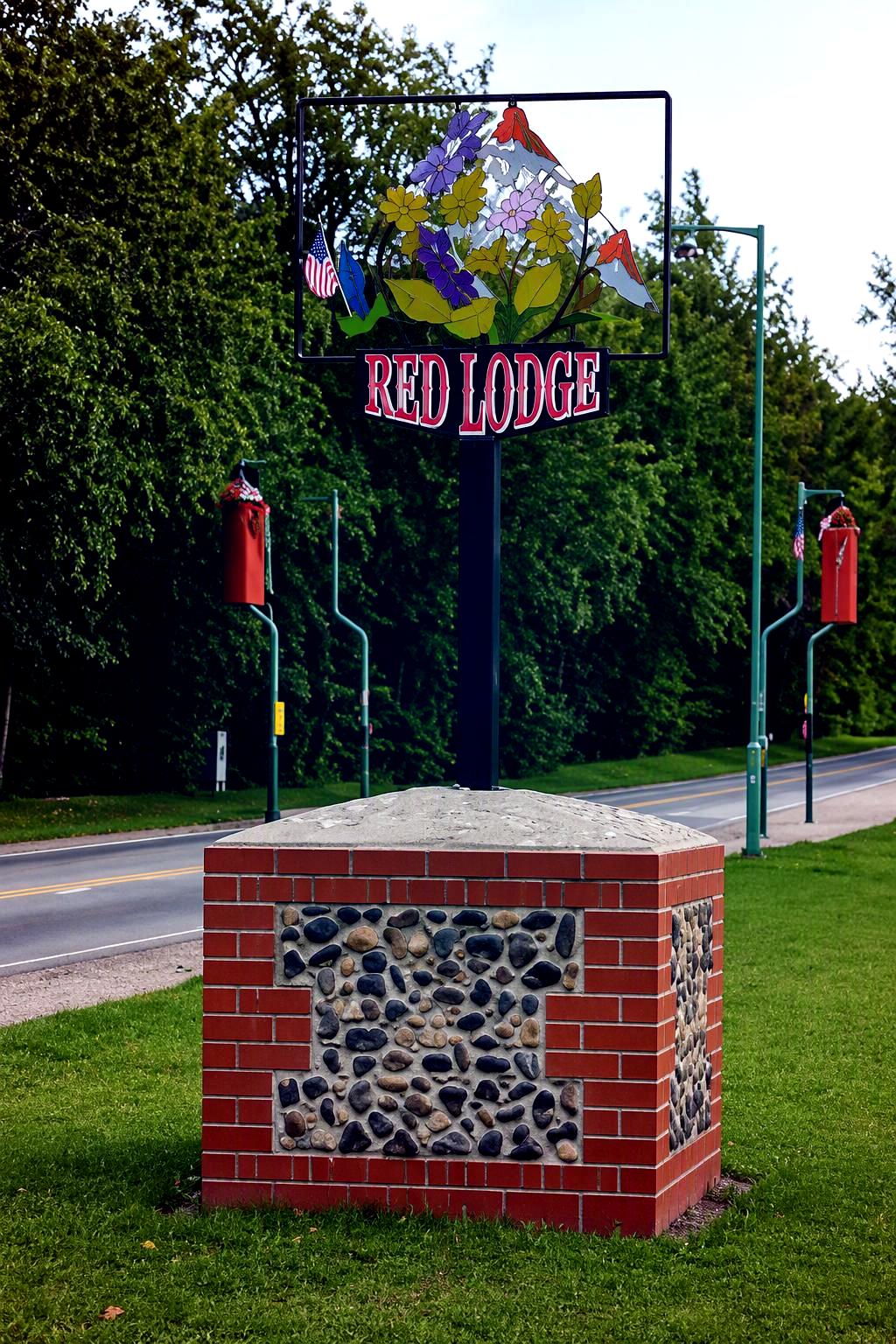
Village sign photo credit: Red Lodge Parish Council